Jali: Lattice of Divine Light in Mughal Architecture
DESCRIPTION
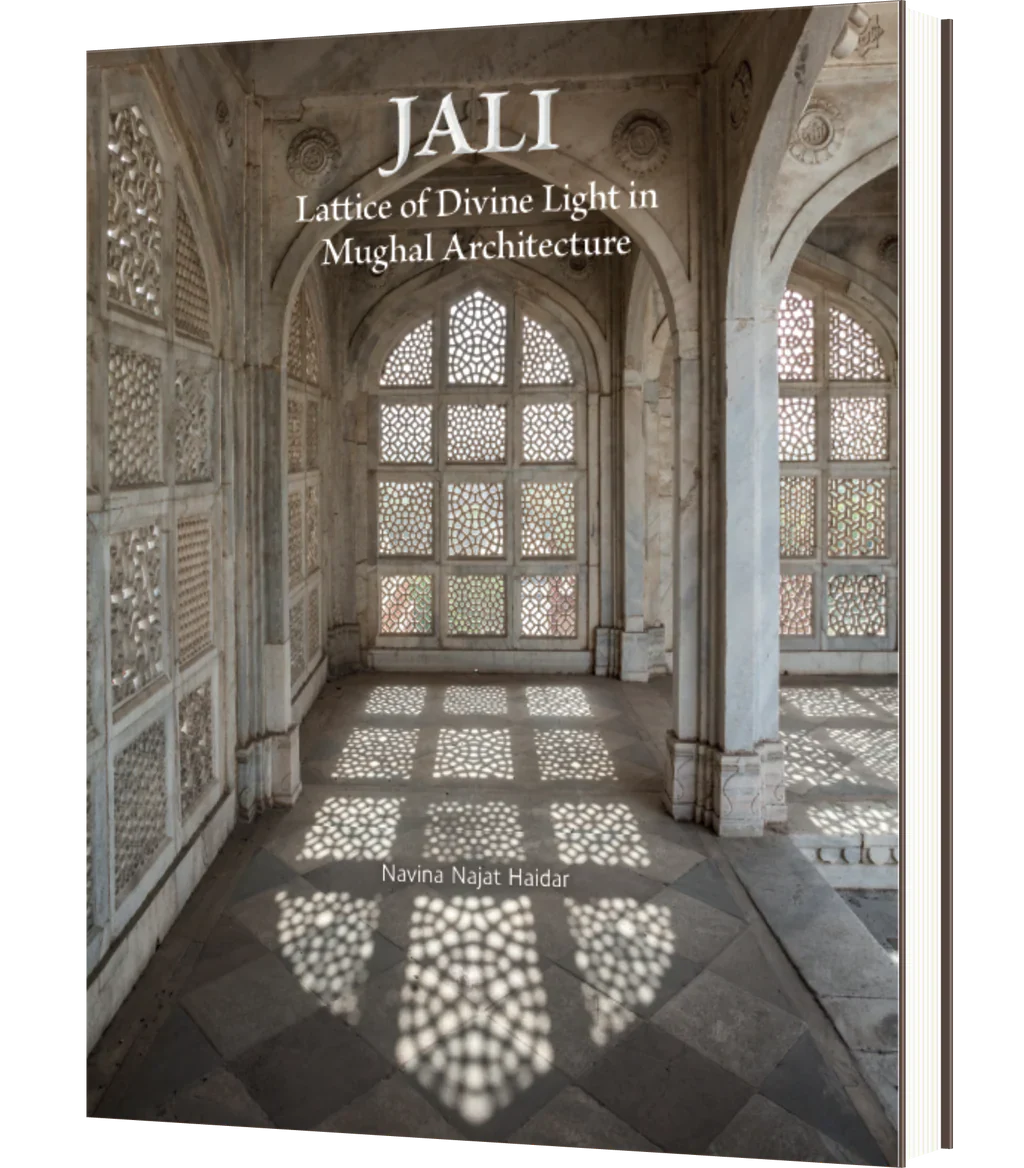
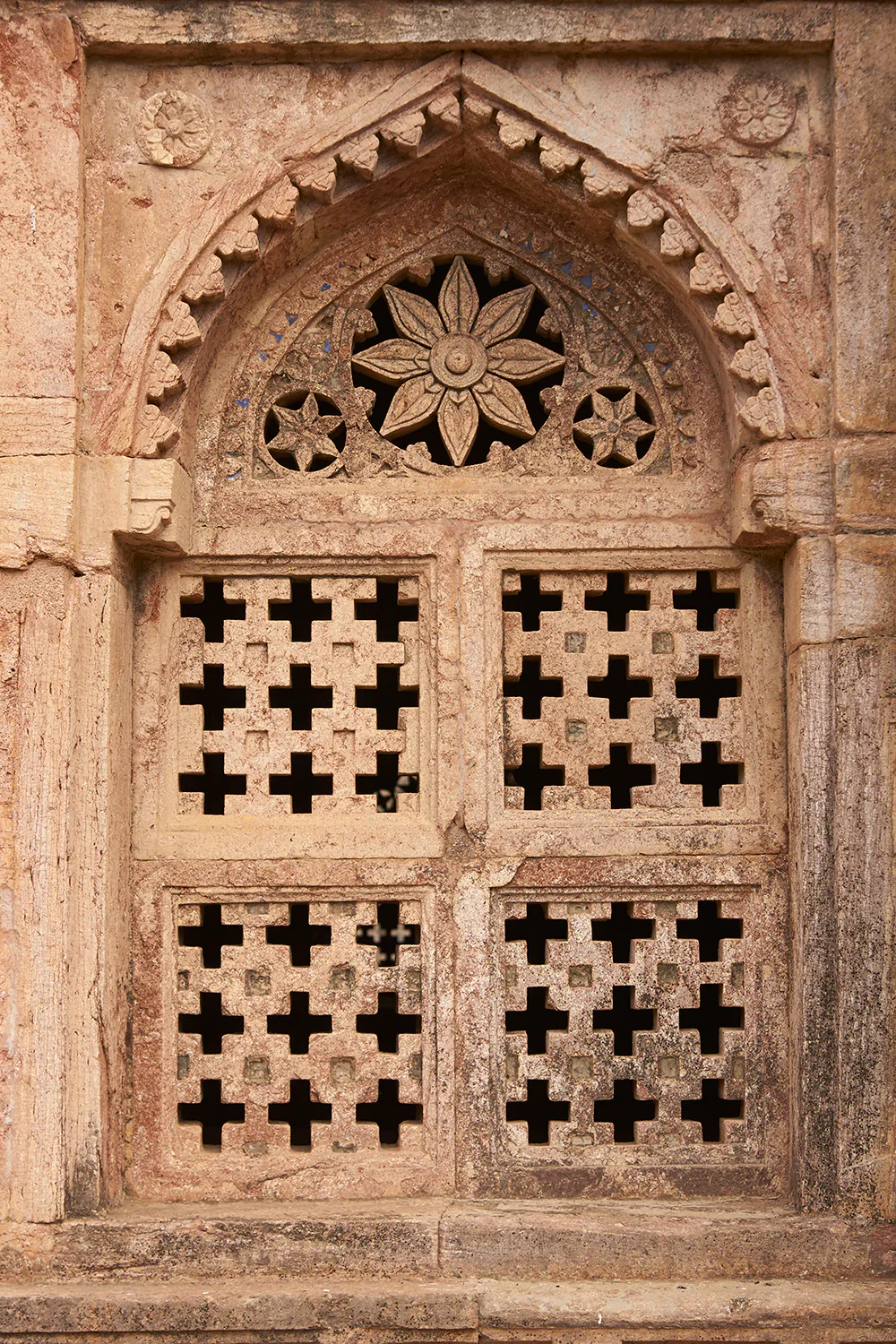
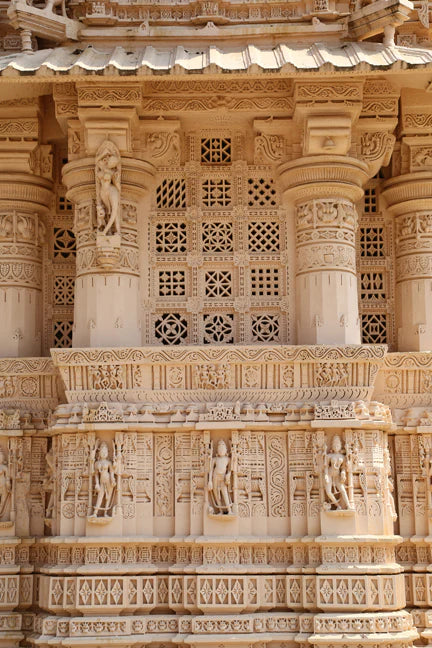
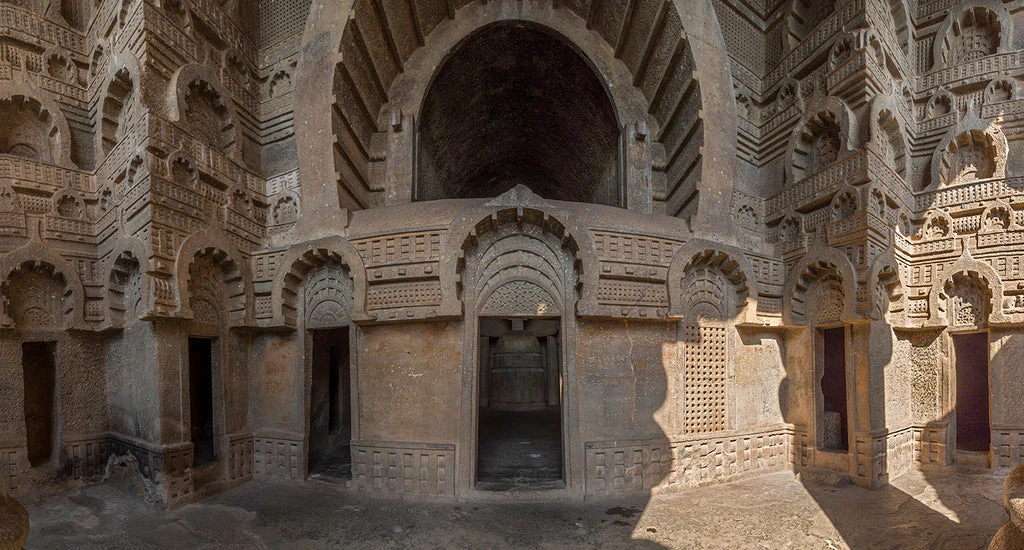
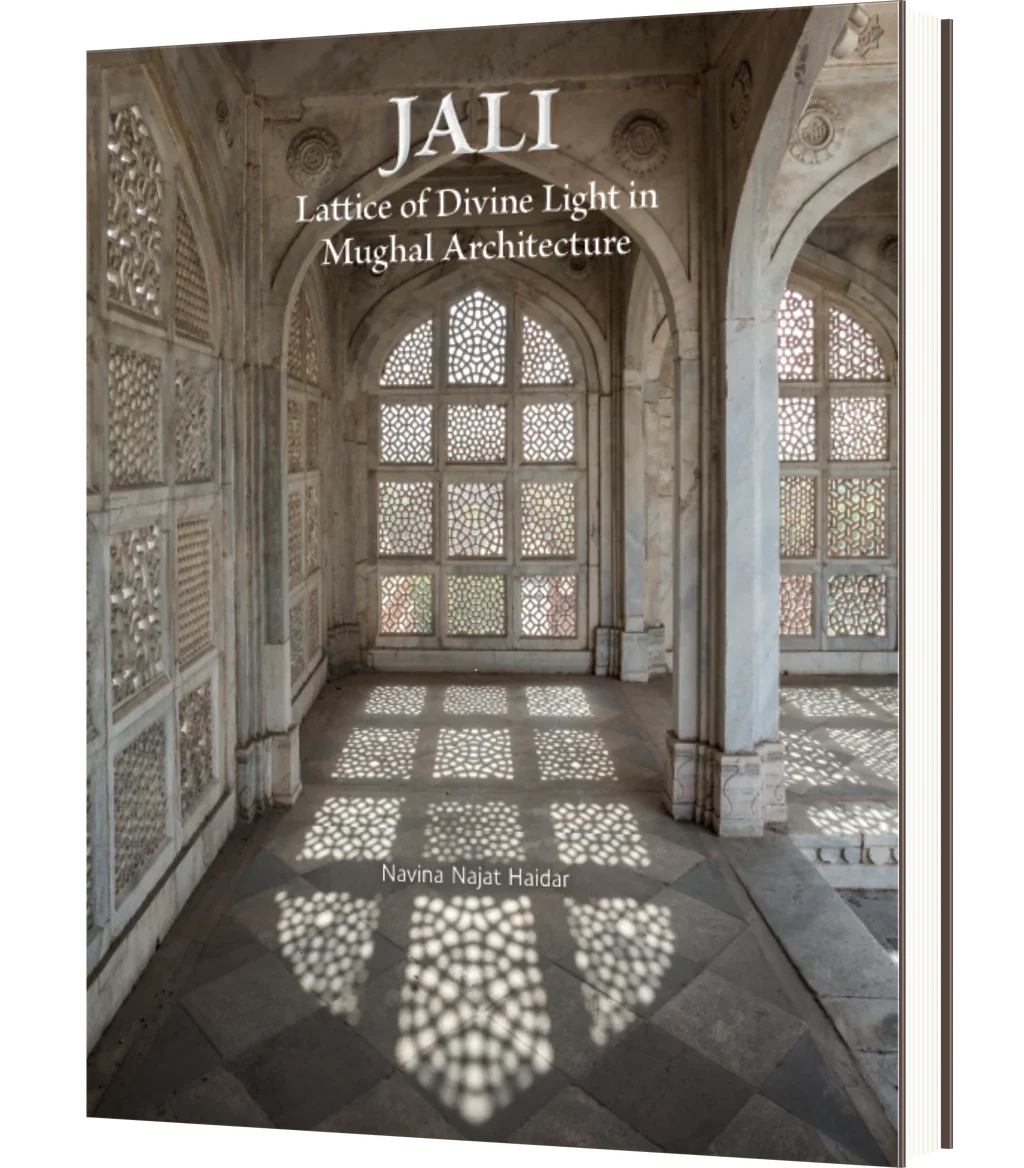
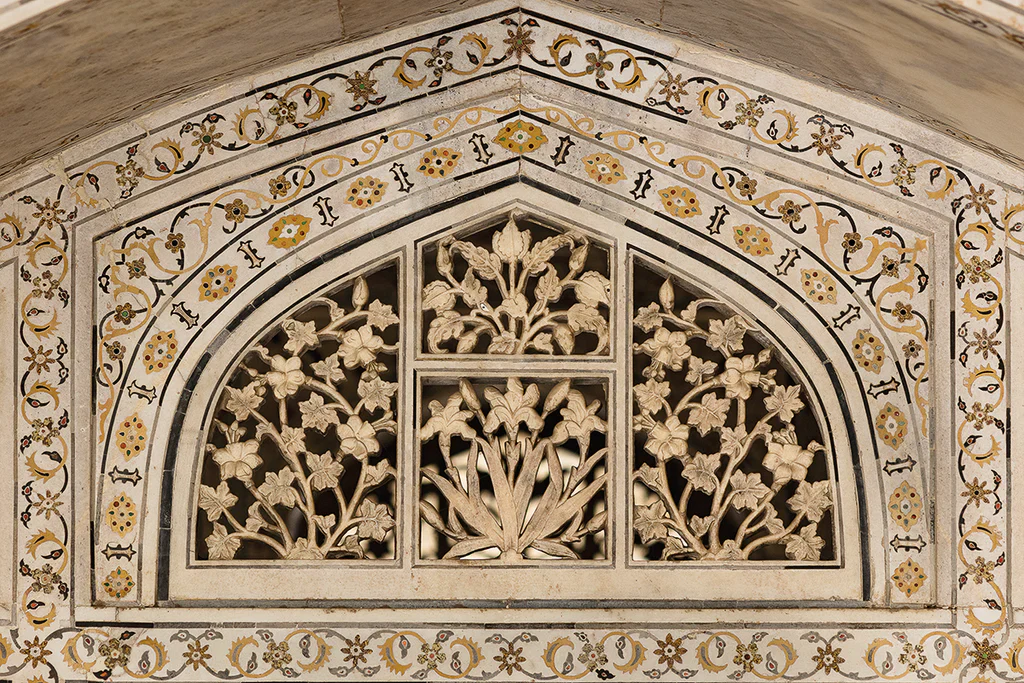
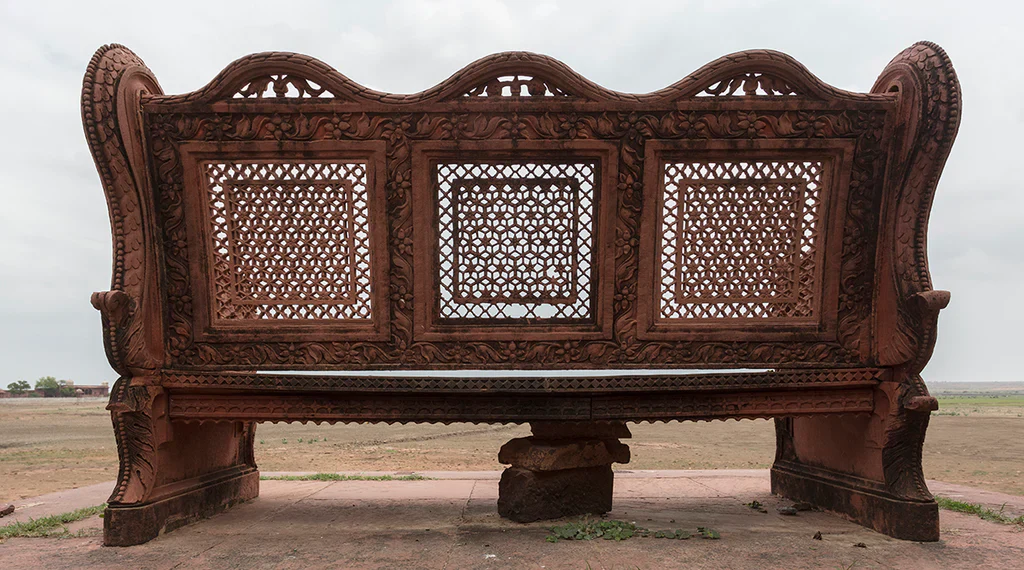
A jali is a perforated or latticed stone screen, with ornamental patterns that draw on the compositional rhythms of geometry and calligraphy. In the parts of India, western Asia and the Mediterranean where solar rays are strongest and brightest, ustads (or master artisans) were able to evolve an aesthetic language of light, giving it form and shape through lattices of stone and other materials. Jalis share a common aim of bringing filtered light into enclosed spaces, while providing protection and privacy.
The expansive volume covers more than two hundred jalis across India, from the temple-inspired designs of the Gujarat Sultanate to imperial symbolism and Sufi allusions in Mughal jalis, the innovations and adaptations of jalis across Rajasthan and central India and, further south, calligraphy in pierced stone in the Deccan. With contributions by Mitchell Abdul Karim Crites, George Michell, and Ebba Koch, this lavishly illustrated publication reveals the poetry etched in these stone screens.
DETAILS
Size: 9.5 in x 11.6 in
Pages: 268 Pages
Illustrations: 246 color
ABOUT THE AUTHOR
Navina Najat Haidar is Nasser Sabah al-Ahmad al-Sabah Curator-in-Charge of the Department of Islamic Art at The Metropolitan Museum of Art. Mitchell Abdul Karim Crites is an American art historian, who has lived and worked in India for more than fifty years. George Michell, an authority on South Asian architecture, has made the study of Deccani architecture and archaeology his life’s work. Ebba Koch, art and architectural historian, has been a professor at the Institute of Art History in Vienna, Austria. Abhinav Goswami, based in Vrindavan, is trained as an archeologist, photographer and temple priest
Original: $58.00
-65%$58.00
$20.30Product Information
Product Information
Shipping & Returns
Shipping & Returns
Description
DESCRIPTION
A jali is a perforated or latticed stone screen, with ornamental patterns that draw on the compositional rhythms of geometry and calligraphy. In the parts of India, western Asia and the Mediterranean where solar rays are strongest and brightest, ustads (or master artisans) were able to evolve an aesthetic language of light, giving it form and shape through lattices of stone and other materials. Jalis share a common aim of bringing filtered light into enclosed spaces, while providing protection and privacy.
The expansive volume covers more than two hundred jalis across India, from the temple-inspired designs of the Gujarat Sultanate to imperial symbolism and Sufi allusions in Mughal jalis, the innovations and adaptations of jalis across Rajasthan and central India and, further south, calligraphy in pierced stone in the Deccan. With contributions by Mitchell Abdul Karim Crites, George Michell, and Ebba Koch, this lavishly illustrated publication reveals the poetry etched in these stone screens.
DETAILS
Size: 9.5 in x 11.6 in
Pages: 268 Pages
Illustrations: 246 color
ABOUT THE AUTHOR
Navina Najat Haidar is Nasser Sabah al-Ahmad al-Sabah Curator-in-Charge of the Department of Islamic Art at The Metropolitan Museum of Art. Mitchell Abdul Karim Crites is an American art historian, who has lived and worked in India for more than fifty years. George Michell, an authority on South Asian architecture, has made the study of Deccani architecture and archaeology his life’s work. Ebba Koch, art and architectural historian, has been a professor at the Institute of Art History in Vienna, Austria. Abhinav Goswami, based in Vrindavan, is trained as an archeologist, photographer and temple priest